Product Category
Smart Switches
WiFi & Zigbee Touch Switches
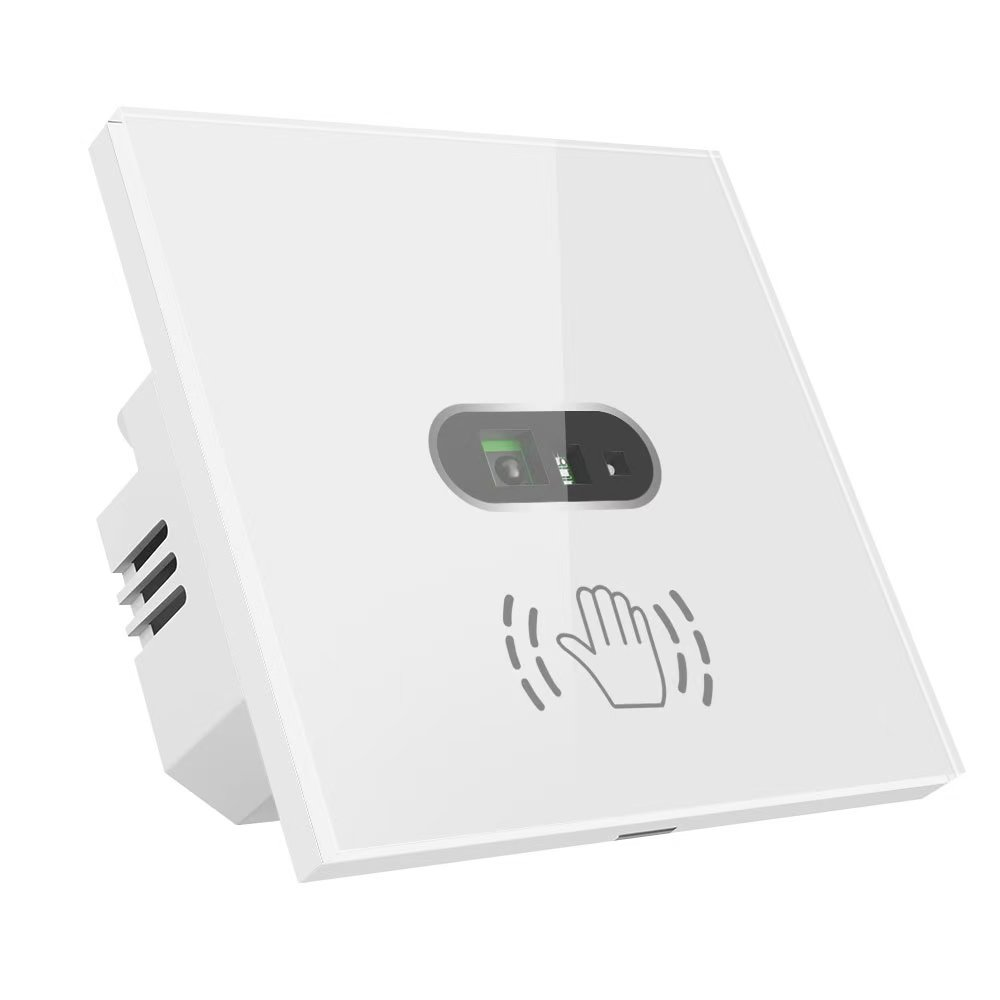
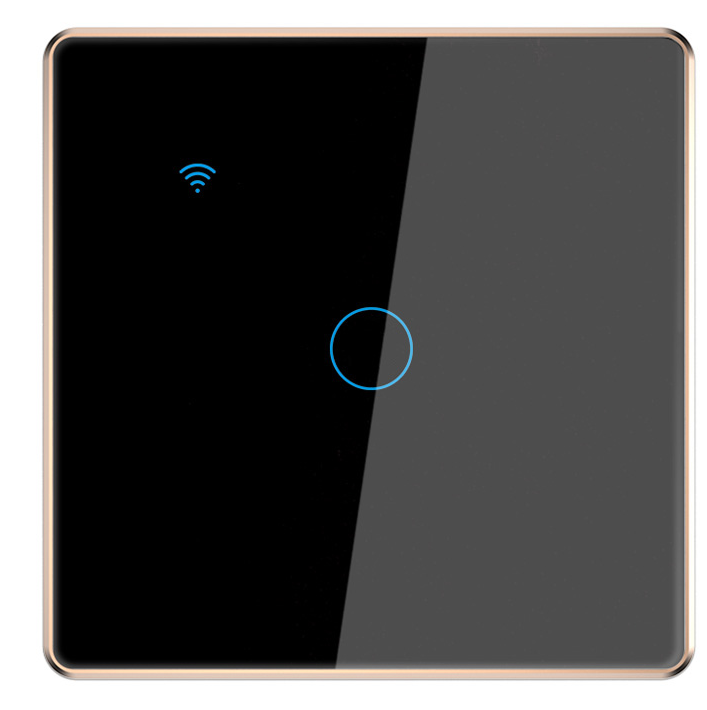
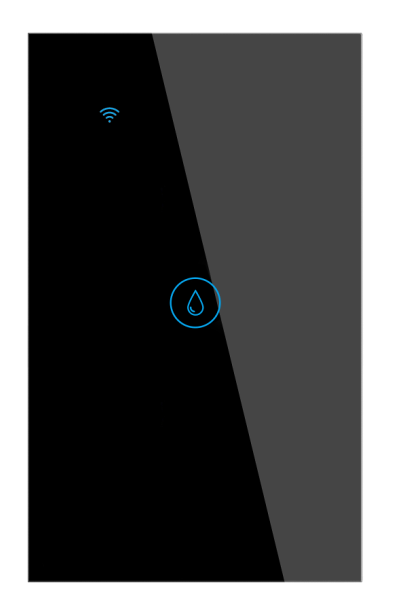
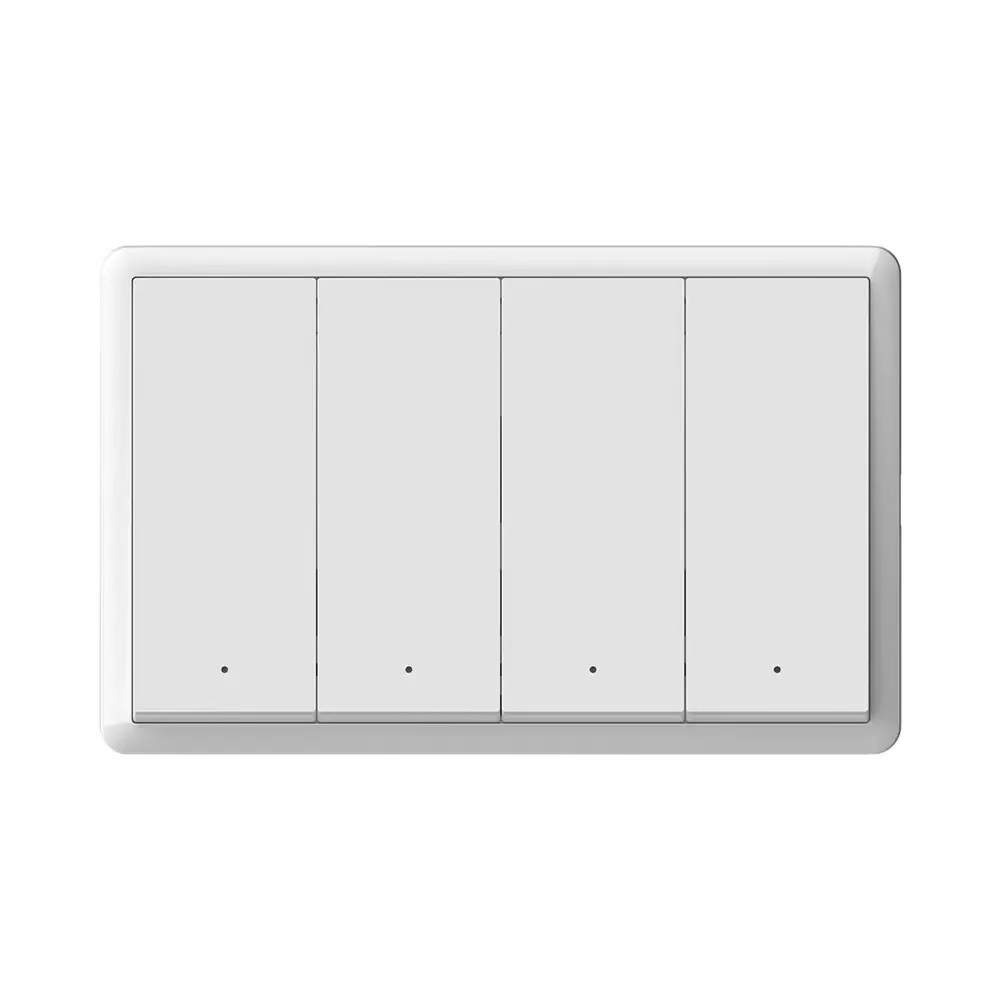
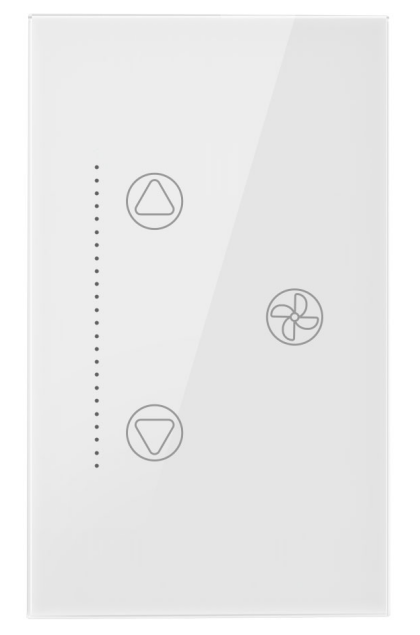
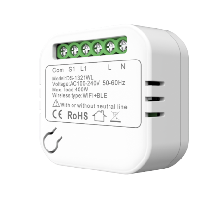
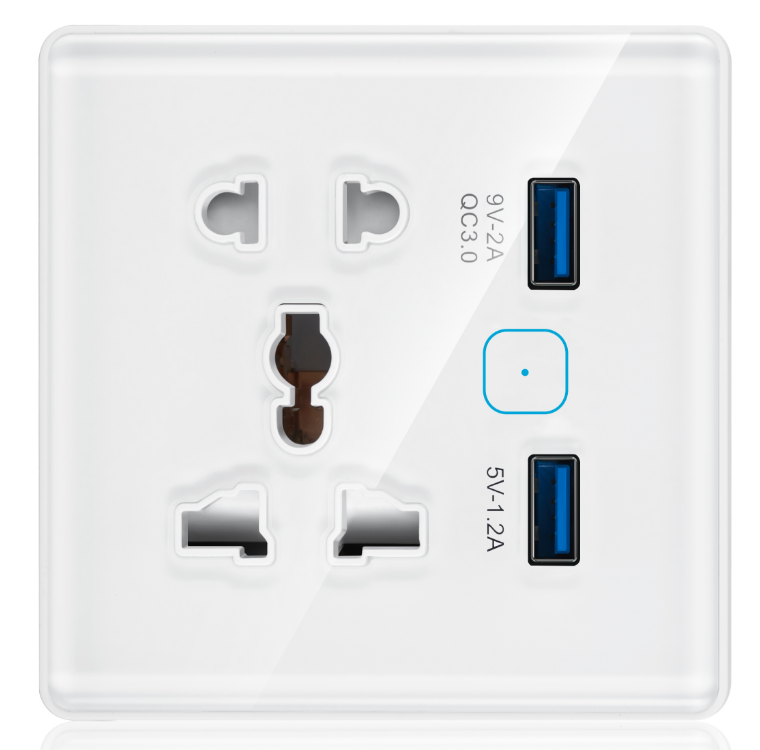
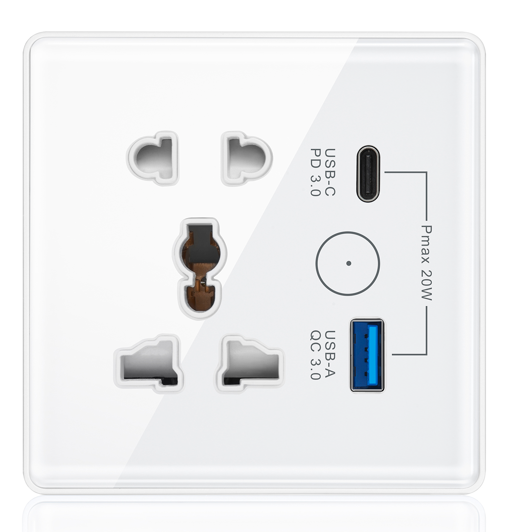
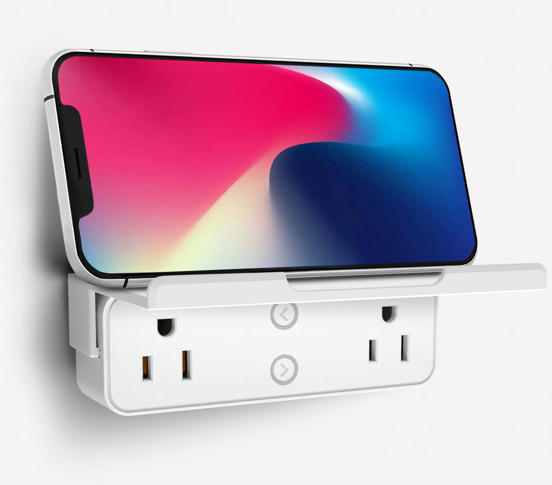
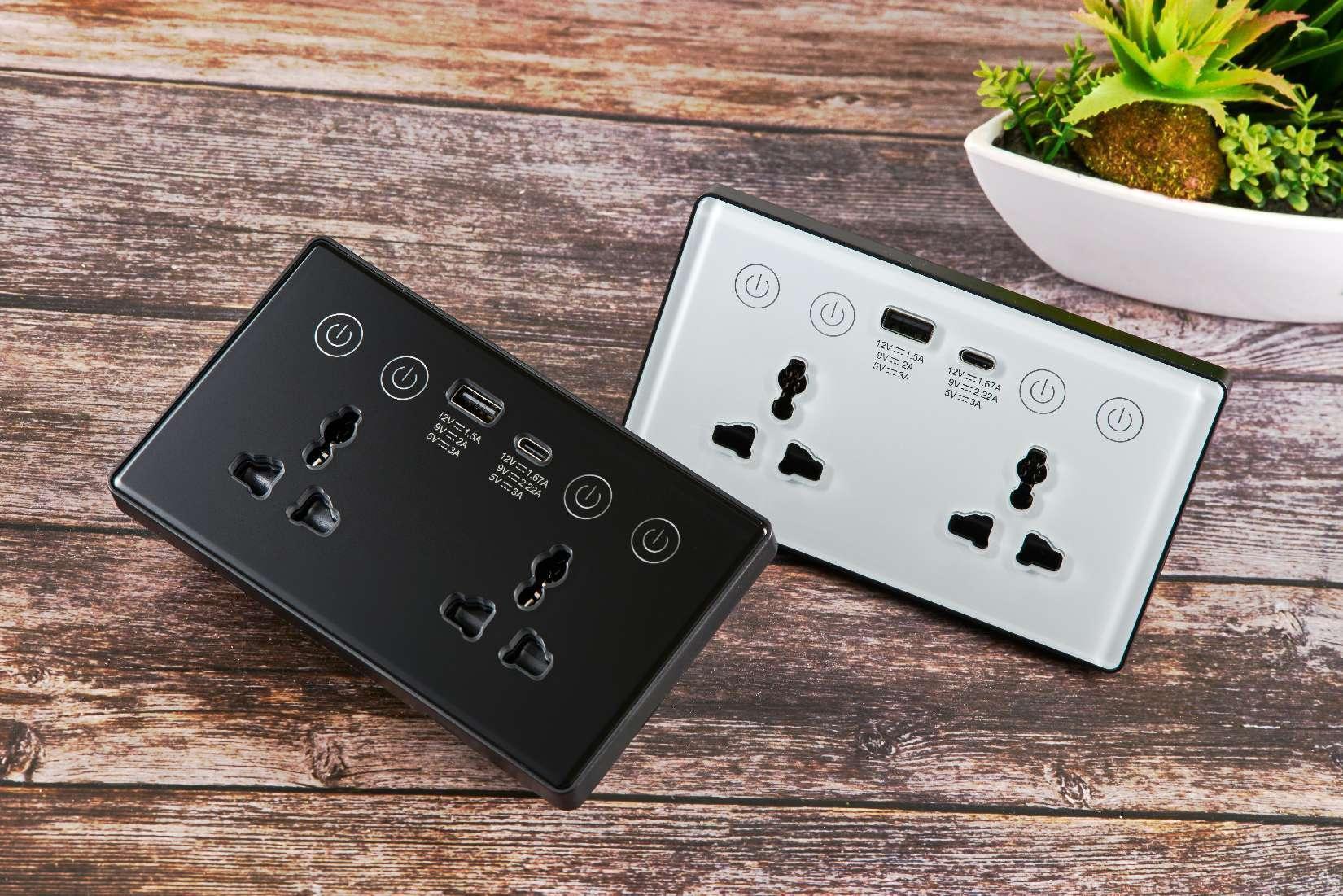
Supports WiFi/Zigbee protocols with touch control, voice control and remote management. Compatible with Tuya Smart, Alexa, Google Home. CE/FCC/RoHS certified. Multi-gang design for independent circuit control, 86-type installation replaces traditional switches without rewiring. Suitable for homes, offices, hotels and more.
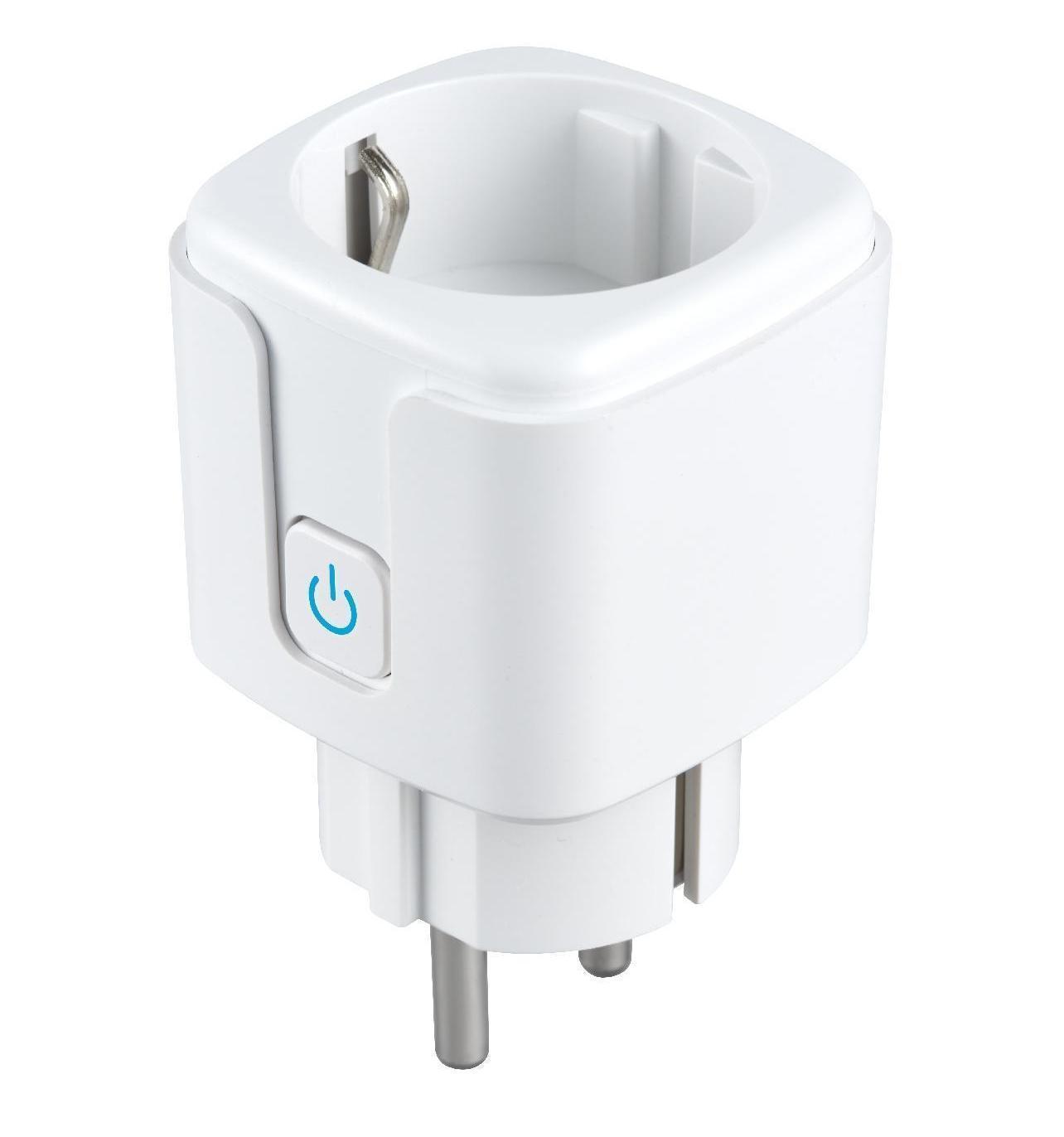
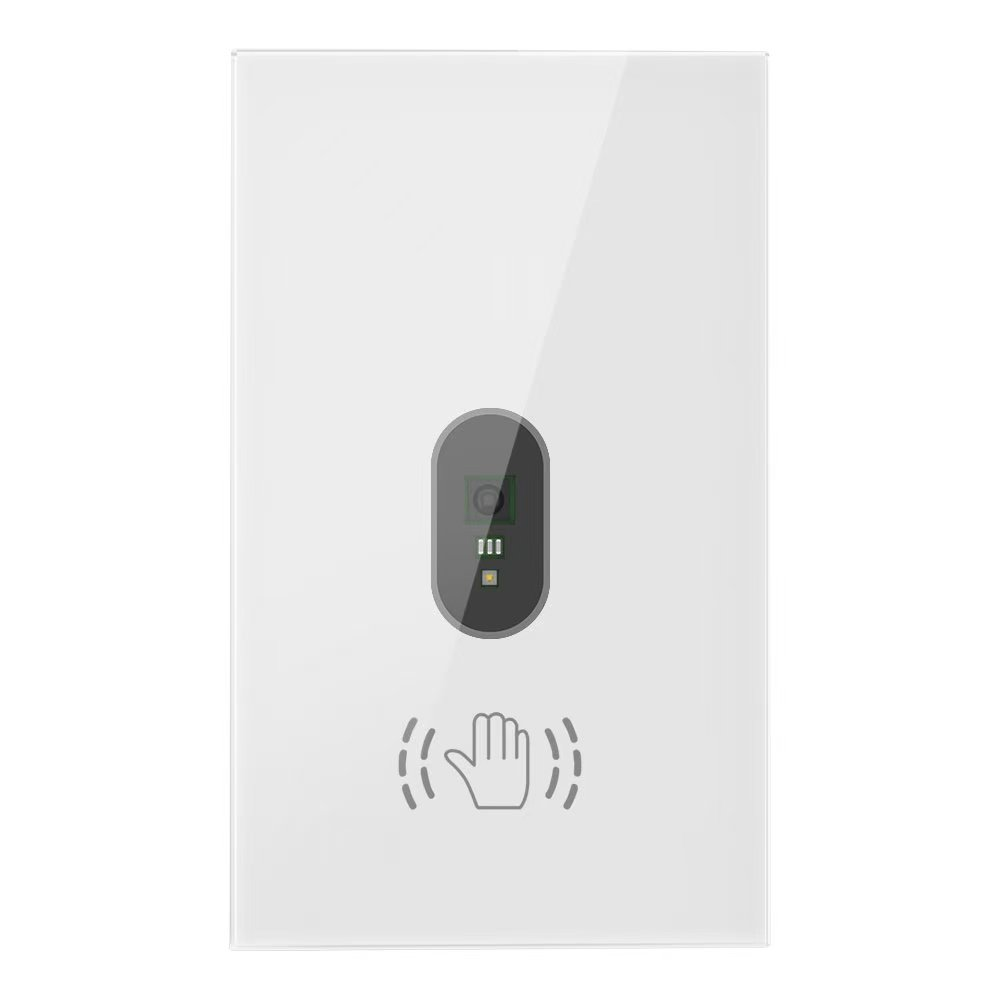
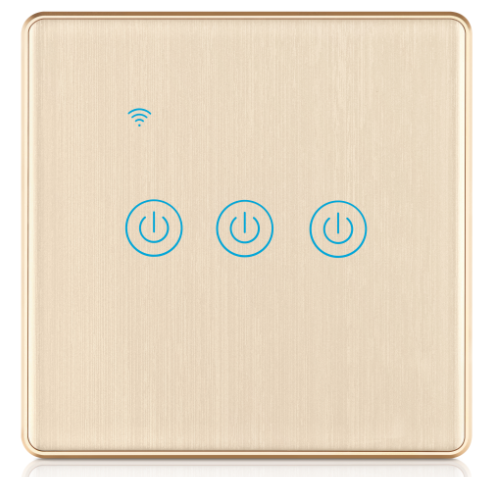
Drag to scroll · 拖动浏览
Key Features
What Makes It Smart
Smart switches let a light or appliance be controlled from a phone, by voice, on a schedule, or from the glass panel itself. Our range covers WiFi modules that need no hub, Zigbee units for whole-home projects, and no-neutral versions for older buildings where only live and load reach the switch box. Configuring this correctly is what keeps LED loads from flickering — which is why we specify the mix by market rather than shipping one model worldwide. See smart switch boards for complete wall-plate assemblies.
Product Gallery
Browse Our Products
Place an Inquiry
Interested in This Product Category?
Fill out the form below and we will get back to you within 2 hours with a detailed quotation.
Smart Switches — Inquiry Form
A smart wall switch replaces a conventional light switch with a connected unit that can be operated from a phone, by voice, on a schedule, or by touch on its glass face. Xingliao manufactures smart wall switches in Shenzhen for overseas brands, distributors and project buyers, supplied as OEM or ODM under your own label.
What Is a Smart Wall Switch?
The term covers any wall-mounted switch that joins a home network. In practice buyers use it for three different things: a retrofit Wi-Fi switch that works with the wiring already in the wall, a Zigbee switch that joins a whole-home mesh under a gateway, or a scene keypad that triggers several circuits at once. Which one you need depends less on the feature list and more on the wiring behind the plate and the app your customers already use.
Most returns and bad reviews in this category trace back to two causes rather than to defects: the buyer discovered too late that the wall box has no neutral wire, or the app ecosystem differed from the one their other devices use. We specify every project around those two points before a sample ships.
Switch Types in the Range
- Wi-Fi smart switch — connects directly to a 2.4 GHz router with no hub. The default choice for retrofit projects and online retail, and the easiest for an installer to commission.
- No-neutral Wi-Fi switch — designed for older buildings where only live and load wires reach the box. Lets you sell into markets with legacy wiring instead of excluding them.
- Zigbee smart switch — low-power mesh nodes paired to a Zigbee gateway, preferred in villa and apartment automation where dozens of devices must stay responsive.
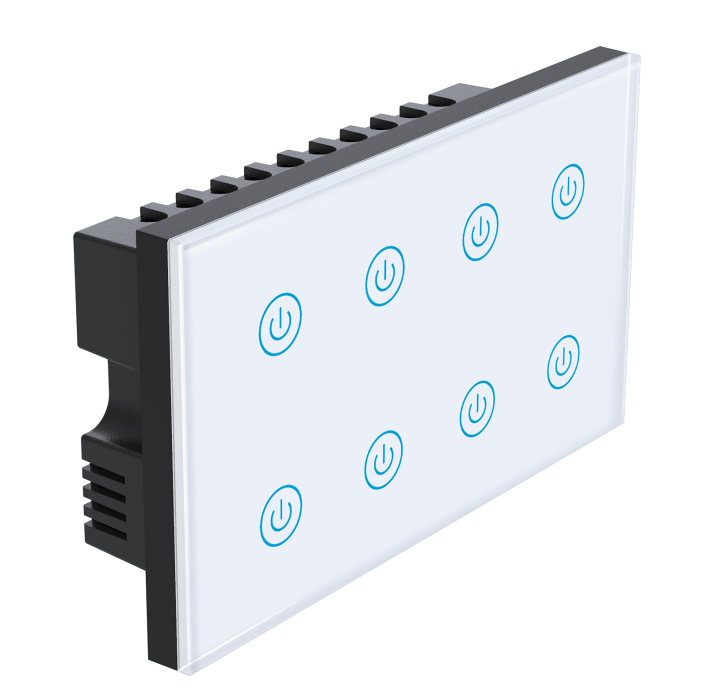
- Touch glass switch — tempered glass panel with capacitive keys and backlit icons that stay readable at night.
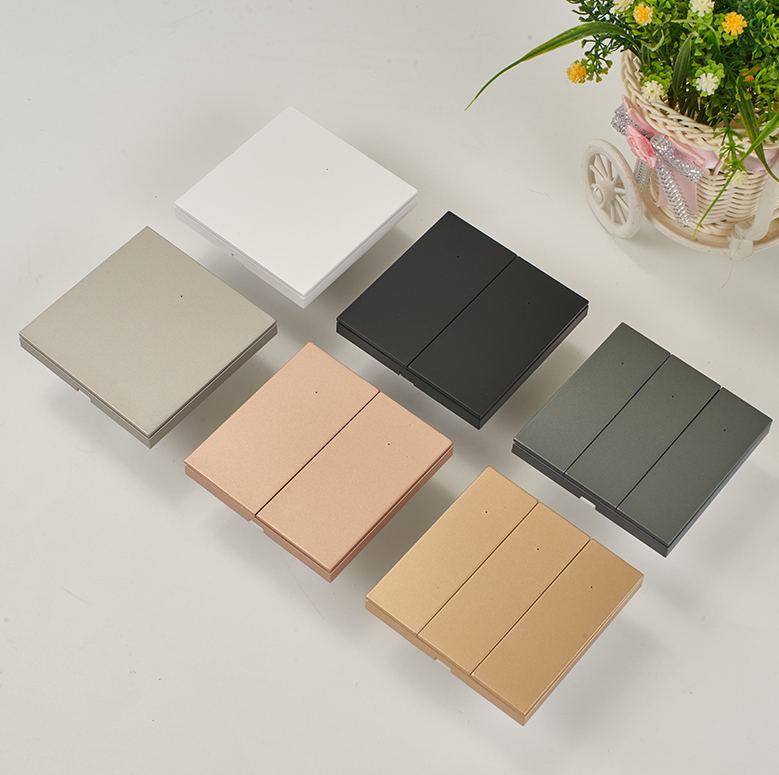
- Scene and multi-key keypads — one to six keys triggering lighting scenes, curtains or a whole-room mode from a single plate.
- European and 86-type formats — square or rectangular plates matched to the wall-box standard of the destination market.
Wiring: Getting Neutral and No-Neutral Right
Whether a neutral wire reaches the switch box is the single question that decides which model you can sell. Properties wired in the last decade commonly have neutral at the switch, allowing standard Wi-Fi or Zigbee modules. Older homes, and certain regional practices, bring only live and switched live to the box.
A switch designed for neutral fitted into a no-neutral box will either not power up or will cause flicker in LED lamps. For those markets we supply no-neutral models with a bypass arrangement that keeps LED loads stable. Tell us your target country and the age profile of its housing stock, and we will recommend the configuration mix rather than one option.
Ecosystems, Apps and Voice Control
- Tuya / Smart Life — the core platform for our private-label programmes, giving end users a mature app with device sharing, schedules and grouping already built in.
- Alexa and Google Home — voice control runs through the paired ecosystem; Wi-Fi models need no additional hub.
- Apple HomeKit and local clouds — available where a distributor already operates its own server region or requires a specific integration.
- White-label app — for distributors building a branded ecosystem, the app shell, device name and cloud region can carry your identity.
How This Compares With Retail Brands
Buyers often arrive having used Sonoff, Tapo or Shelly devices and want to know what sourcing direct from a factory changes. The products are comparable in function; the difference is in what you can control around them. Retail brands are fixed catalogue lines — the firmware, the panel artwork, the packaging and the pricing belong to someone else. An OEM programme lets you decide the finish, the icon set, the boot logo, the retail box and the bundled app identity, and lets you hold a configuration exclusively in your market.
The trade-off is commitment: retail units ship one piece at a time, while factory programmes start at a minimum order quantity. For importers and chains that already know their annual volume, that commitment is usually the reason the unit economics improve.
Regional Plate Formats We Supply
- 86-type — 86×86 mm square plates with 60 mm mounting centres, standard across China and much of Asia.
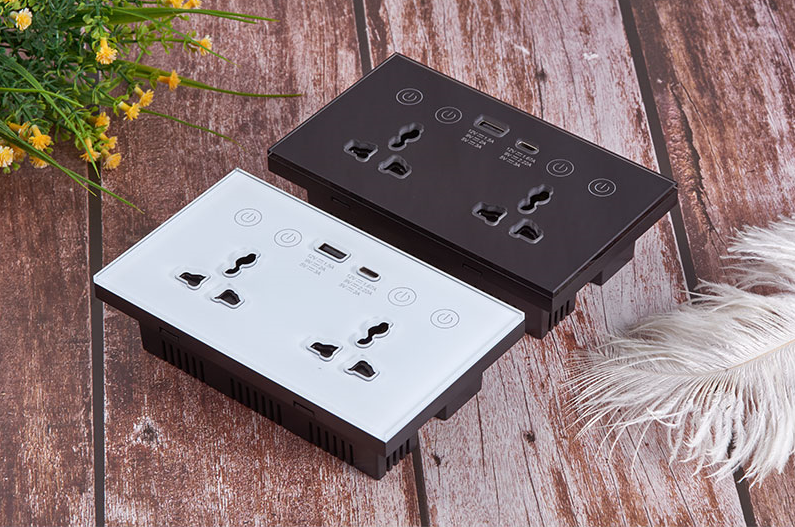
- 120-type — rectangular formats used in parts of South Asia and the Middle East.
- EU round and square — 60 mm fixing centres for European wall boxes.
- North American decorator styles — available where the project requires them, including matching frames.
Send the local wall-box dimensions or a photograph and we will confirm the matching frame before sampling.
OEM and ODM Customisation
- Branding — logo printed or laser-etched on the panel, with branded packaging and multilingual manuals.
- Panel design — glass colour, frame colour, icon legends and key layout, including language-specific text.
- Firmware identity — device name shown in the app, boot screen, default scenes and pairing behaviour.
- Packaging and compliance marks — barcodes, regulatory labels and destination-market inserts.
- ODM development — where no existing tooling fits, the enclosure and electronics are developed to your specification.
Programme minimums start from 500 pieces per model for standard configurations. Tooling projects carry their own engineering fee and unit commitment, quoted per project.
Certifications and Compliance
Shipments are prepared with CE, FCC and RoHS documentation together with the test reports importers need at customs. Market-specific marks such as UKCA or SASO, and local telecom approvals, can be arranged for volume programmes; lead time depends on the scheme.
Typical Applications
- Residential retrofit where owners want app and voice control without chasing new wires.
- Apartment and villa projects specifying matched switches, sockets and scene plates across units.
- Hotels and serviced apartments cutting standby energy use with schedules and occupancy scenes.
- Distributor private labels building a single-brand range across switches, sockets and sensors.
Frequently Asked Questions
Do your smart switches need a neutral wire?
Some do and some do not. Standard Wi-Fi and Zigbee modules expect neutral at the switch box. For buildings without it we supply no-neutral versions designed to keep LED loads stable rather than flickering.
Do they work without a hub?
Wi-Fi models connect straight to a 2.4 GHz router and need no hub. Zigbee models pair to a Zigbee gateway, which is normally supplied within the same project.
Which app controls them?
Tuya or Smart Life by default, with Alexa and Google Home voice control available. A white-label app with your own identity can be arranged for distributor programmes.
Can we sell a configuration only available to us?
Yes. Panel finish, artwork and firmware identity can be held for your market, subject to volume commitment.
What plate sizes do you support?
86-type and 120-type Asian formats, European round and square boxes, and North American decorator styles. Provide drawings and we confirm the fit before sampling.
What certifications come with shipments?
CE, FCC and RoHS documentation with the corresponding test reports. Additional market-specific approvals can be arranged for volume programmes.
What is the minimum order quantity?
Standard configurations begin at 500 pieces per model. Custom-tooled ODM projects are quoted separately with their own engineering fee and unit commitment.
More Categories
Explore Other Products
Manufacturing programmes
Download the full 2026 product catalog
125 pages · 10 categories · sensors, video doorbells, cameras, smart switches, control panels, locks, gateways and home appliances — with model numbers, specifications and OEM/ODM terms.