Smart Home Contract Manufacturing Trends 2026: What OEM/ODM Buyers Should Expect from Security Cameras, Door Locks and Pet Tech
The smart home contract manufacturing industry is being reshaped by platform standards, certification pressure and a wave of new buyers entering the market. For OEM and ODM partners, understanding where the market is going matters more than chasing the cheapest unit price. This is what global B2B buyers should expect from smart home factories in 2026.

Matter and Tuya mobility are the new baseline
Compatibility is no longer a differentiator, it is table stakes. Factories that build on the Tuya ecosystem can turn around Alexa, Google Assistant and Matter-compatible devices quickly because the platform work is already done. For buyers this means faster samples, shorter time to market and lower engineering cost. When you evaluate a factory, ask which platforms their stock models already support.
Certifications are shifting from nice-to-have to must-have
Regulators in Europe and North America are tightening radio and safety requirements. CE, RoHS, FCC and market-specific marks such as UL or PSE are now part of normal procurement checklists. A factory with in-house certification project management saves you weeks of coordination and reduces the risk of customs holds.
Security cameras and door locks are converging
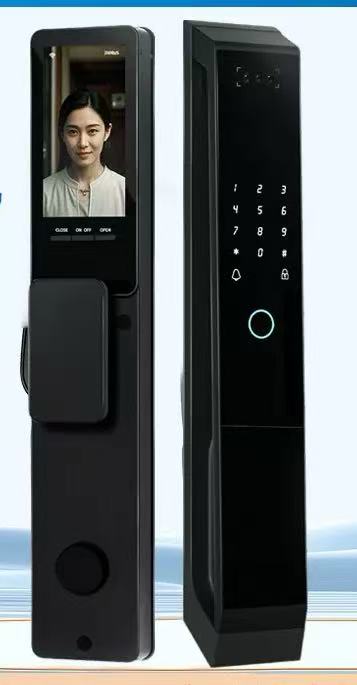
Simple battery cameras are giving way to solar-powered and dual-lens models, while door locks are adding fingerprint, face and remote access in a single unit. Factories are bundling these into smart security kits that one SKU can serve distributors in multiple regions. Buyers who plan a security-focused range early can consolidate supplier count and improve margin per order.
Pet technology is the fastest-growing category
WiFi pet cameras with treat dispensers, smart feeders and circulation water fountains are climbing distribution charts across the US and Europe. These products have strong repeat-purchase rates and natural upsell paths. For factories this category is valuable because buyers source feeders, cameras and accessories together, raising order values per partner.
Panel and sensor ecosystems reduce integration risk
Control panels, PIR sensors, smoke detectors and smart switches are sold as complete ecosystems rather than single devices. When you OEM an entire set from one factory, compatibility, app control and after-sales are easier to manage. This is why multi-product sourcing is becoming the default strategy for mid-size smart home brands.
Quality and factory transparency win the RFP
Tender documents for private label programs increasingly include factory audits, test reports and supply chain details. Manufacturers that openly share production lines, inspection processes and shipment documentation convert more first-time inquiries into pilots. Expect to see more buyers running mini audits before awarding volume orders.
How to prepare your 2026 sourcing plan
Start with a mixed sample order covering your priority categories, confirm platform compatibility and certification targets, then lock a volume plan with staged delivery. Working with a factory that offers OEM, ODM and private label under one roof keeps your roadmap flexible as the market shifts.
Xingliao is a full-cycle smart home manufacturer covering security cameras, fingerprint door locks, video doorbells, sensors, control panels, WiFi pet feeders and circulation water fountains. Talk to us about your 2026 range and we will map a production roadmap around your brand.
📌 This article is part of our Complete Smart Hub — more guides and buying tips inside.
Frequently Asked Questions
What is changing most for OEM and ODM buyers in 2026?
Three things: interoperability is becoming a procurement requirement rather than a nice-to-have, radio and cybersecurity certification is getting stricter in the EU and UK, and buyers are placing smaller first orders to test a market before committing to a container. All three change how you should write an enquiry.
Is Matter now a requirement?
Not everywhere, but increasingly in tender documents. The practical approach is to specify devices that can be upgraded to Matter rather than replacing the fleet later â a platform with a border router and firmware upgrade path costs little more today and avoids a second tooling cycle.
What should buyers watch in security cameras?
On-device detection is replacing cloud analysis, which removes a subscription cost and a privacy objection at the same time. Ask where the analytics run, because it decides both the running cost and what you can claim in the marketing.
What is changing in smart locks?
Anti-spoofing on fingerprint readers is now the baseline expectation rather than a premium feature, and battery fallback arrangements are being examined more closely in care and hospitality tenders. Lock body standards remain the most common cause of returns â confirm mortise and backset per market.
Why is pet tech growing so quickly?
It has the repeat-purchase and emotional-attachment profile that switches and sensors do not: owners buy a second unit for a second pet, and consumables drive brand loyalty. That is why the category attracts new entrants even when margins on switches are tighter.
Are smaller trial orders realistic now?
More factories accept them, and 500 pieces with your branding is a common starting point. What has not changed is that firmware changes and tooling still need 3,000 to 5,000 pieces to be economical â so a trial order proves the market, not the customisation.
Which certifications are getting stricter?
EU radio equipment rules now carry cybersecurity expectations, and the UK has its own marking. The cost of getting this wrong is a shipment that cannot be sold, so confirm the destination before tooling rather than after production.
How should a factory be evaluated?
Ask for sample units and test them yourself, ask which markets they already ship to, and ask what they will refuse to do. A supplier who says “we can build anything” is usually describing a broker rather than a factory with a defined range.
